
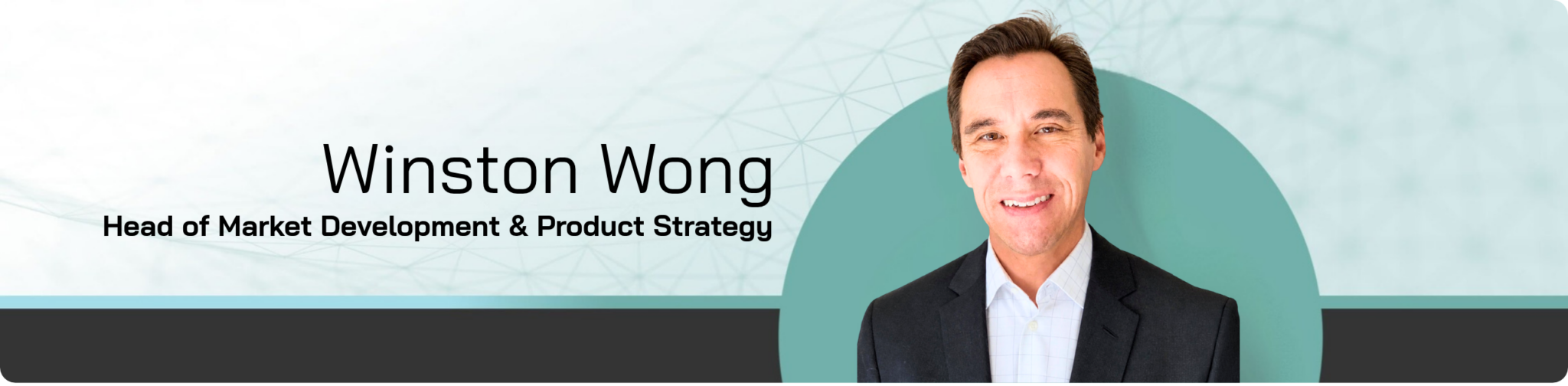
What brought you to Ensorcell?
This was a logical next step for me due to the alignment of the company mission and my
background having worked at small to large organizations. I was excited to work with trusted
and experienced leadership with former colleague connections to build something different in a
small start-up entrepreneurial environment. It feels like the perfect fit to take advantage of my
commercial capabilities and network, and it is exciting to contribute to strategic commercial
direction of the company as part of the senior leadership team.
Beyond leadership, it is such a unique experience to have a company with solid financial
backing, engineering and manufacturing resources, yet with the ability to move like a startup.
Our team is cross functionally driven to generate long-term sustainability in the life sciences
industry by delivering improved customer value and memorable brand experience.
How has life science tool demand evolved over time?
Throughout my career, I have watched this industry transition and progress in basic research,
diagnostics and therapies via advances in the tools and equipment we use. These tools
ultimately impact human health and longevity, and sit in three general categories:
1) general and specialized equipment
2) consumables
3) reagents
Industry progress is largely influenced by funding coming from big pharma, biotech and local
and national governments. Demand during the pandemic was at an all-time high due to supply
constraints and high front-end funding, which unfortunately led to overproduction. Post
pandemic we experienced excess inventory levels which resulted in a contraction in funding that
has lasted through to 2026, combined with geopolitical policies and driving a large numbers of
layoffs.
In the first half of 2026, there have been signs of revitalization in the industry, and as H2 of 2026
gets closer to the end, both funding and employment numbers are increasing. It seems that the
market is in a reset and overall growth trends look promising for the next 2 to 5 years.
What differentiates Ensorcell from competitors?
The biggest differentiator is that we are customer-driven across the board. We believe that if we
can deliver on our customer promises, we can create increased value through a differentiated
experience.
We are not only thinking about how a product works when it is first purchased, we are thinking
about the lifetime of its use in the lab. We have US-based innovation and manufacturing
capabilities, combined with a superb value culture of bringing these better products to the
market at a competitive price combined with access to training and support.
Our leadership and commercial team come from a biotech background. We have had the
experiences that our customers have, so we understand how to approach them differently. We
work to identify process tool gaps with startup speed and full financial and engineering support
from the Rebuild Manufacturing (RBM) team. Together we work to develop manufacturing tools
that combine performance, user experience, cost/value and emotional response to bring
something better to the market. Our products are sleek, versatile and portable, and we work to
remove bottlenecks in whatever process steps we can to ensure safer and more efficient
operation.
How does the unique structure of Ensorcell impact the customer?
The RBM connection is critical to our success. We are fortunate that our parent company
Re:Build Manufacturing owns 14 companies across a broad market sector space; Ensorcell is
one of the life sciences companies in the network.
Many of our resources come from the engineering companies in this network, which gives us
the ability to tap into deep and broad innovation, manufacturing, quality and regulatory
resources internally with more speed and flexibility than competitive organizations. Our
customers gain the benefit of being closely involved with our voice of customer (VoC) insights
that are translated into developing a better tool at a greater value over the life of each product.
They also get to experience the improvement of our speed to market in bringing our solutions to
their research.
What is your favorite thing about working in the life sciences sector?
Knowing that we are contributing to the advancement of science, medicine and overall human
health is my favorite part. The continuous learning of our customers’ purpose in their research
and contributions to the market is inspiring as we are all able to feel like we are making a
difference. My other favorite thing has been building long-term trusted relationships with great
customers and seeing how their progress can be realized through our collaborations. Nothing is
more rewarding to hear from a customer relationship that they experienced a trusted
relationship, and that the products and services used have met or exceeded their expectations.